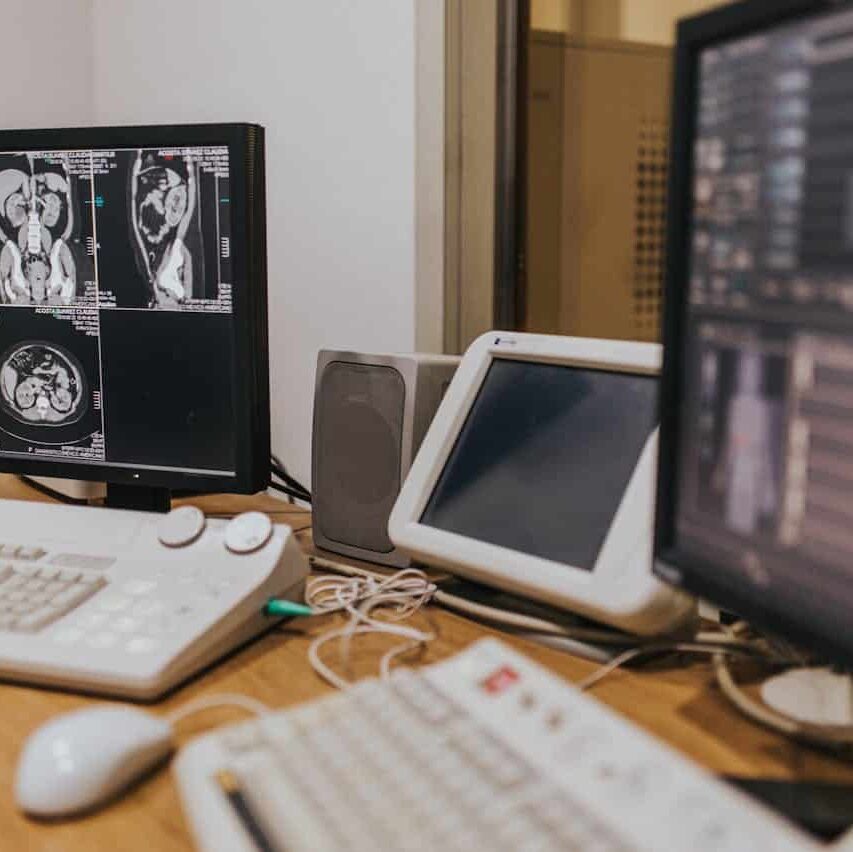

The landscape of community health centers is undergoing a profound transformation as administrators look for ways to balance limited resources with increasing patient demand. Says Michael Rasekhi, traditionally, the patient intake process has been a significant administrative bottleneck, often characterized by repetitive paperwork, long waiting room queues, and data entry errors that can delay essential care. By integrating artificial intelligence into these frontline operations, community health centers are finding innovative ways to streamline workflows, allowing clinical staff to focus their expertise where it is needed most: direct patient interaction.
As these centers serve diverse populations with varying degrees of digital literacy and health needs, the implementation of AI-powered intake systems must be approached with both technological sophistication and a deep commitment to equity. These systems are designed to automate registration, verify insurance eligibility, and collect essential medical history before a patient even steps through the clinic doors. This paradigm shift not only reduces the operational burden on staff but also sets the stage for a more responsive, patient-centered healthcare experience that respects the time and dignity of every individual seeking assistance.
Automating Administrative Efficiency
The primary advantage of implementing AI-powered intake systems lies in the automation of routine documentation tasks that typically consume hours of staff time. By utilizing intelligent digital forms, clinics can ensure that patient information is captured accurately and imported directly into the electronic health record system. This reduces the risk of manual transcription errors, which can lead to billing inaccuracies or, more critically, missing vital information regarding a patient’s allergies or current medications.
Furthermore, these systems facilitate real-time updates and scheduling optimizations that improve clinic throughput. When a patient uses an AI-driven portal to update their contact details or report current symptoms, the system can automatically flag high-priority cases for triage or adjust the provider schedule based on anticipated appointment length. This level of automation helps community health centers manage their patient load more effectively, ultimately reducing wait times and ensuring that resources are allocated based on actual clinical urgency rather than the order of arrival.
Enhancing Data Accuracy and Clinical Preparedness
Beyond mere administrative convenience, AI-driven intake tools serve as a bridge to improved clinical outcomes by ensuring that providers are fully informed before the consultation begins. When patients input their history via intuitive, AI-guided questionnaires, the system can identify patterns, flag potential clinical risks, and summarize the relevant data into a concise narrative for the physician. This prepares the provider to engage in a more targeted conversation, as they have already reviewed the foundational history and can dedicate their time to complex diagnosis and treatment planning.
Additionally, these systems support continuous data reconciliation, ensuring that the information in a patient’s file remains up to date. By prompting patients for routine screenings or updating medication lists during the intake process, clinics can maintain a higher standard of clinical documentation without requiring additional staff hours. This increased precision in data gathering reduces the incidence of diagnostic errors and promotes continuity of care, which is particularly vital for patients managing chronic conditions who require frequent monitoring and adjustment of their treatment protocols.
Expanding Accessibility and Patient Engagement
Community health centers often serve vulnerable populations who may face significant barriers to accessing traditional healthcare services. AI-powered intake systems play a crucial role in dismantling these barriers by offering multilingual support, simplified user interfaces, and mobile-responsive platforms. These features empower patients to complete registration processes from the comfort of their homes or via mobile devices, effectively reducing the need for lengthy, in-person registration sessions that can be intimidating or inconvenient for those with work or family obligations.
By providing a more seamless and personalized intake experience, these digital tools also foster greater patient engagement and trust. When patients feel that their time is respected and that the clinic is leveraging modern technology to serve them better, they are more likely to participate actively in their own healthcare journey. Moreover, AI chatbots can be programmed to answer frequently asked questions about clinic hours, insurance coverage, or preparation requirements, providing immediate clarity and alleviating anxiety for patients before their visit occurs.
Addressing Privacy and Ethical Considerations
While the adoption of AI offers numerous benefits, it is imperative that community health centers maintain rigorous standards regarding data security and patient privacy. The collection of sensitive health information through automated portals necessitates the use of robust encryption, strict access controls, and compliance with federal privacy regulations. Furthermore, transparency remains essential; patients should always be informed about how their data is being used, processed, and protected within the AI environment, ensuring that the technology acts as a safeguard rather than a vulnerability.
Equity in algorithmic design is another vital consideration to ensure that these systems do not inadvertently introduce bias into the healthcare process. Community health centers must work closely with technology vendors to ensure that intake tools are tested across diverse demographics to avoid disparities in how information is collected or interpreted. By prioritizing ethical deployment and maintaining a human-in-the-loop approach, clinics can harness the power of AI while ensuring that the core mission of equitable, compassionate healthcare remains the guiding principle of their operations.
Future Outlook and Conclusion
The transition toward AI-powered patient intake represents a necessary evolution for community health centers striving to meet the demands of a modern healthcare environment. As these tools continue to advance, their ability to integrate with broader diagnostic and predictive health platforms will only increase, potentially offering early warnings for preventative interventions. The shift is not merely about replacing manual labor; it is about empowering community health centers to operate with greater agility, precision, and inclusivity, ensuring that they can continue to serve as pillars of health and wellness within their respective communities.
In summary, the integration of AI-powered intake systems provides a sustainable pathway for optimizing clinic operations and improving the quality of patient care. By successfully automating administrative workflows, enhancing clinical data accuracy, and reducing barriers to engagement, community health centers can foster a more efficient and responsive environment. While challenges regarding data security and ethical implementation remain at the forefront, the thoughtful application of these technologies will undoubtedly serve as a catalyst for a more effective and patient-centered future in community medicine.