
Introduction
The landscape of community healthcare delivery is experiencing a profound transformation driven by rapid technological advancements. Says Michael Rasekhi, federally Qualified Health Centers form the cornerstone of the American public health safety net, providing comprehensive care to underserved, low-income, and marginalized populations. Historically, these nonprofit entities have faced significant resource constraints that hindered their ability to scale operations and optimize patient outcomes. Today, however, the strategic integration of digital health innovations is empowering these clinics to transcend traditional operational limitations. By leveraging modern technological tools, FQHCs can enhance diagnostic accuracy, streamline administrative workflows, and bridge the geographical divides that often prevent vulnerable populations from receiving timely medical attention.
Telehealth and Virtual Care Expansion
The widespread adoption of telehealth solutions has fundamentally redefined accessibility standards within the public health sector. Nonprofit FQHCs are increasingly utilizing secure video conferencing and asynchronous messaging platforms to deliver primary care, mental health counseling, and chronic disease management directly to patients in their homes. This virtual modality significantly reduces transportation barriers, childcare challenges, and lost wages associated with in-person clinic visits. Furthermore, virtual care integration allows clinical teams to conduct routine follow-ups more efficiently, ensuring that patients with complex conditions remain engaged in their ongoing treatment plans without experiencing fatigue from frequent travel.
Artificial Intelligence in Diagnostic Support
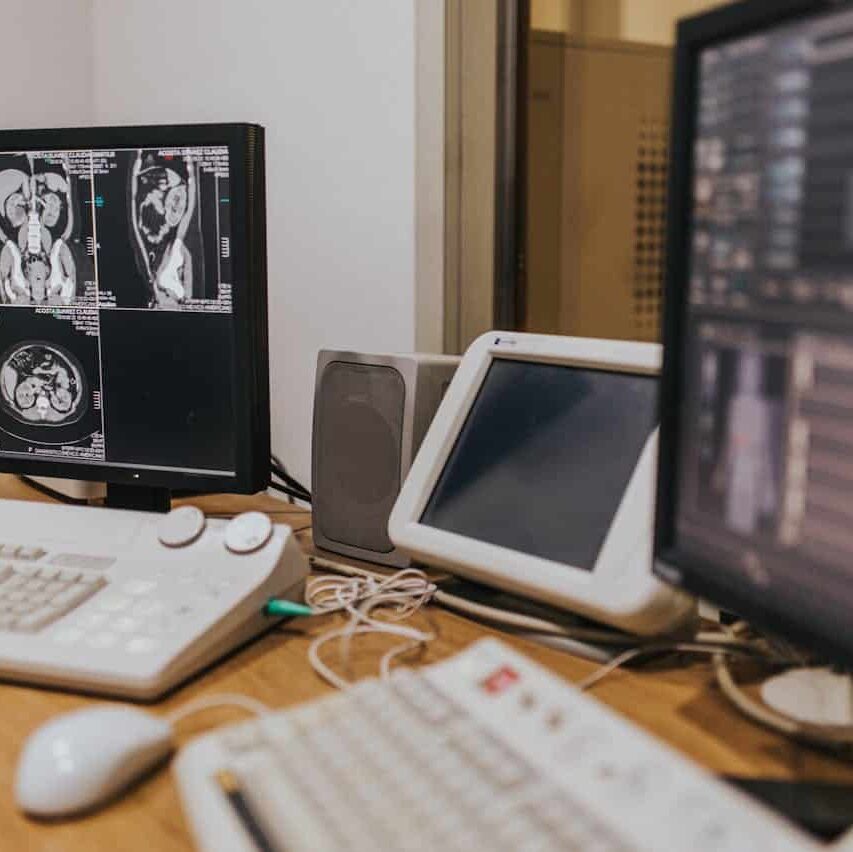
Artificial intelligence and machine learning algorithms are emerging as powerful allies for clinical staff operating within resource-constrained community health centers. These advanced computational tools assist practitioners by rapidly analyzing diagnostic imagery, screening for early signs of chronic diseases, and flagging potential health risks from vast electronic health record databases. By automating routine analytical tasks, artificial intelligence minimizes human error and allows physicians to focus their expertise on direct patient interaction and personalized treatment planning. Additionally, predictive analytics help clinics identify population health trends, enabling administrators to allocate preventative resources proactively to the demographic segments most at risk.
Mobile Health Units with Integrated Connectivity
Modern mobile health clinics represent a vital bridge between traditional brick-and-mortar facilities and geographically isolated communities. Equipped with robust satellite internet, mobile hotspots, and onboard electronic health record systems, these vehicles function as fully operational extensions of permanent FQHC sites. Patients visiting these mobile units receive immediate diagnostic testing, vaccinations, and consultations while their health data synchronizes instantly with the central clinic network. This seamless connectivity ensures continuity of care, eliminating the information silos that traditionally plagued outreach efforts and enabling healthcare providers to deliver coordinated interventions regardless of physical location.
Advanced Patient Engagement Platforms
Empowering patients to take an active role in managing their personal health journeys is critical for achieving long-term public health objectives. Nonprofit FQHCs are deploying sophisticated mobile applications and interactive patient portals that facilitate appointment scheduling, prescription refills, and bilingual educational resource delivery. These platforms often incorporate automated text message reminders and culturally tailored wellness tips that resonate deeply with diverse patient populations. By fostering consistent communication between clinical teams and patients, these digital engagement tools dramatically improve medication adherence rates and reduce instances of missed appointments across the board.
Conclusion
The convergence of modern technology and community-based healthcare delivery heralds a promising era for nonprofit Federally Qualified Health Centers. Through the strategic implementation of telehealth, artificial intelligence, connected mobile units, and advanced patient portals, these organizations are systematically dismantling historical barriers to care. Embracing these innovations allows public health providers to maximize their operational efficiency while simultaneously elevating the quality of care delivered to vulnerable populations. Ultimately, technology-enabled public health ensures that advanced medical resources and compassionate care remain universally accessible to all individuals, regardless of their socioeconomic standing.