Introduction
Federally Qualified Health Centers (FQHCs) serve as the backbone of the American healthcare safety net, providing essential medical services to underserved and vulnerable populations. As the landscape of modern medicine shifts toward value-based care and data-driven decision-making, these centers face the dual challenge of managing limited resources while striving to improve patient outcomes. Says Michael Rasekhi, the digital transformation of the FQHC is no longer an optional upgrade but a strategic imperative that ensures long-term viability and clinical excellence in an increasingly complex regulatory environment.
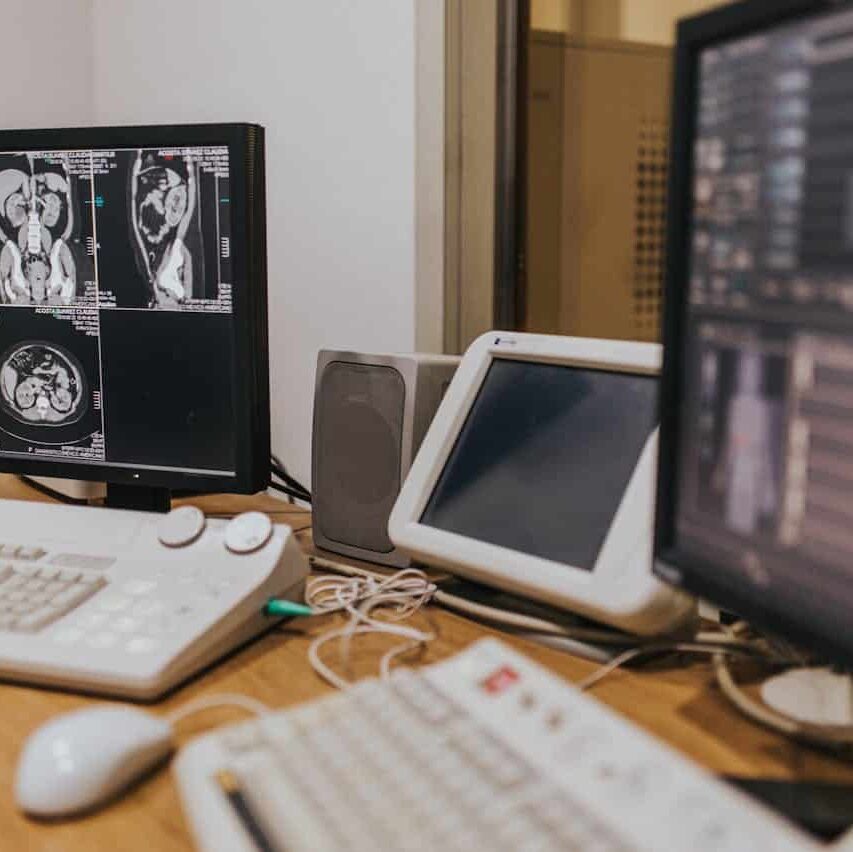
By embracing digital modernization, community health centers can bridge the gap between resource scarcity and the growing demand for comprehensive care. The transition to a smart FQHC involves integrating advanced technology, data analytics, and digital communication tools into the daily operations of the clinic. This evolution allows administrators and clinicians to move beyond traditional manual processes, fostering a more efficient, patient-centered environment that is capable of addressing the social determinants of health with unprecedented precision and agility.
Enhancing Patient Access Through Telehealth Integration
The rapid adoption of telehealth has fundamentally changed how patients interact with their primary care providers, particularly for those living in remote or transit-challenged areas. For the smart FQHC, telehealth is not merely a temporary crisis response tool but a core component of a broader digital strategy designed to extend the reach of clinical services. By implementing user-friendly virtual care platforms, health centers can reduce no-show rates and provide timely consultations that prevent minor health issues from escalating into expensive emergency room visits.
Beyond the initial virtual visit, modernizing these platforms allows for better coordination of follow-up care and remote patient monitoring. When integrated directly into an Electronic Health Record (EHR) system, telehealth data becomes an actionable asset that informs the clinical team about a patient’s ongoing progress. This seamless flow of information ensures that care remains continuous and coordinated, regardless of the physical distance between the patient and the provider, ultimately democratizing access to specialized care within community settings.
Leveraging Data Analytics for Population Health Management
Data is the lifeblood of the modern FQHC, yet many centers struggle with fragmented information silos that hinder effective decision-making. Digital modernization enables the aggregation of clinical, financial, and demographic data into a centralized analytics dashboard. This allows leadership to identify trends in chronic disease prevalence, track performance against quality metrics, and allocate resources where they are most desperately needed. By transitioning to a data-first culture, FQHCs can shift from reactive care to proactive population health management.
Predictive analytics tools further empower clinicians by flagging high-risk patients who may be nearing a health crisis. This foresight allows for targeted interventions, such as personalized wellness coaching or social service referrals, which address the root causes of health inequities. By leveraging robust data sets, smart FQHCs can demonstrate their impact to stakeholders and grantmakers more effectively, proving that their interventions lead to measurable improvements in health outcomes while simultaneously optimizing operational costs.
Optimizing Operational Efficiency Through Automation
Operational burden is a significant challenge for staff members who are often stretched thin by complex billing requirements and reporting mandates. Digital modernization introduces automation into administrative workflows, such as appointment scheduling, patient registration, and insurance verification, which reduces the reliance on time-consuming manual entry. When these repetitive tasks are automated, staff can devote more energy to high-value interactions, such as patient advocacy and care coordination, which are essential to the FQHC mission.
Furthermore, cloud-based practice management software provides the flexibility and scalability required to adapt to changing organizational needs. By moving away from legacy on-site servers, FQHCs can ensure higher data security, simplified disaster recovery, and improved interoperability with external health systems. This digital infrastructure fosters a more resilient organization that can absorb operational shocks and maintain service continuity even during times of staffing shortages or sudden surges in patient volume.
Conclusion: Sustaining the Future of Community Care
The path toward becoming a smart FQHC is transformative, requiring both a technological investment and a commitment to cultural change. As these health centers modernize their digital infrastructure, they build a foundation that is resilient, transparent, and inherently focused on the patient. By prioritizing digital integration, FQHCs do more than just upgrade their software; they reinforce their fundamental role as essential pillars of public health, ensuring that quality care remains accessible to all.
As technology continues to evolve, the capacity for innovation within the FQHC sector will only grow, offering new opportunities to reduce health disparities. Leaders who embrace these advancements position their centers to lead the next generation of healthcare delivery, ensuring that community clinics remain competitive and effective in the digital age. Ultimately, the smart FQHC is defined not just by the technology it employs, but by its unwavering commitment to improving the well-being of the communities it serves through constant, purposeful, and digital-first evolution.